
the facts
FOOD POVERTY AND CHILDREN IN LONDON
More than 400,000 London children face school holiday hunger.
The facts are stark.
The reality is stark. Around 680,000 children under 16 in London are living in poverty — 37% of all children in the capital.
For many families, London’s high housing and everyday living costs make an already difficult situation even harder. After housing costs are taken into account, 27% of Londoners are living in poverty — the highest rate of any English region.
In some of the boroughs where Feed London works, the picture is even more severe. In Tower Hamlets and Hackney, around half of all children are living in poverty.
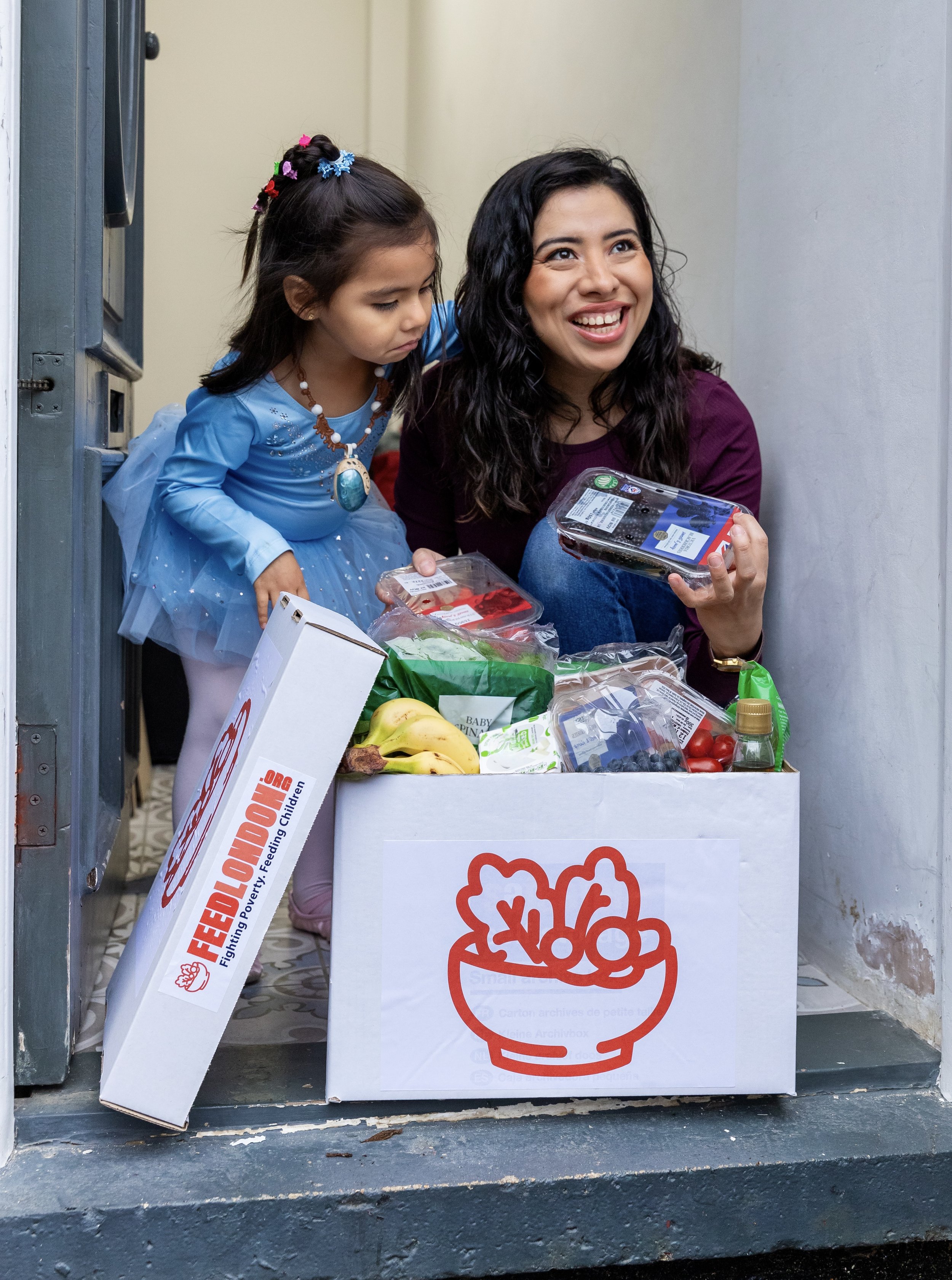
Feed London exists to reach families at the sharpest end of this crisis — providing fresh food, choice, dignity and practical support when it is needed most.
Don’t let young Londoners go hungry
You can make a difference from as little as £20. Help feed a London family in crisis over the school holidays.
680,000
London families living in poverty.
400,000
London children don’t get enough food.
25%
Face hunger during the school holidays.
Why Feed London is needed
For many low-income families, the school holidays are one of the hardest points in the year.
When term ends, free school meals stop, children are at home all day, and the cost of feeding a family rises immediately. Parents tell us that by the end of the first few days of the holidays, the fridge is empty and so are their purses.
That pressure is especially severe in London, where housing, transport and everyday essentials already cost more. Families who are just about managing during term time can suddenly find themselves unable to cover the extra cost of breakfast, lunch, snacks and dinner every day for several children.
This is why the start of the school holidays matters so much. The financial shock is immediate.The research shows that living standards have plunged for many people during the pandemic, and the poorest families have been hit hardest.
Mayor of London / GLA
The GLA provides more detail on child poverty in London.
Trust for London
Independent research by the Trust for London identifies that 400,000 London children face food insecurity and 27% face hunger at the start of the school holidays
For the families referred to Feed London, poverty is also rarely the only issue. Many are simultaneously dealing with serious childhood illness, disability, homelessness or temporary accommodation, domestic abuse, insecure immigration status and long-term crisis.
In our Summer 2026 programme:
69% were destitute
62% were single-parent households
61% were facing serious, life-altering health issues
38% were homeless or in temporary accommodation
35% were affected by domestic abuse
24% had No Recourse to Public Funds
71% were living through long-term crisis
Feed London is designed to intervene at exactly this point. We deliver fresh ingredients, supermarket vouchers, child-friendly recipes and creative activities at the beginning of the school holidays, when pressure on household budgets rises sharply.
The aim is simple: to help make sure children eat well, parents have a little breathing space, and families can begin the holidays with food in the fridge rather than another crisis to manage.
"
This is the first generation in all of recorded history that can do something about the scourge of poverty. We have the means to do it. We can banish hunger from the face of the earth.
– Hubert Humphrey
-
family stories
Reunited with her wonderful daughters, Tawana makes a fresh start
We met Tawana when she was coming to the end of a 4-year sentence at Send Prison. She was desperate to get back into the world, and, in particular, to get back home to her three amazing children.
The family was thrilled to be reunited at the start of the Covid pandemic and Tawana is now doing her best to make up for lost years. She is establishing her own online clothing business, running the house and being a great mother - living her life - never easy thing for ex-prisoners.
She is also giving back. She’s a part time youth supporter helping young people leaving the care system to gain independence and life skills in the community, which she finds immensely rewarding.
But readjusting to life for anyone coming out prison is tough – for a mother of three, trying to make her own way without the prospect of work, with society breathing down her neck - bringing up three, hungry, children is a huge struggle and responsibility – especially after 4 years away.
Feed London has been able to support her and her family on their journey through these difficult first months together - taking some of the financial burden away, giving space and support to enjoy time together. Her daughters said that cooking together using the Feed London recipes was great fun.
Tawana is a fighter, incredibly positive and determined to make her life work – to be there for her children.
Feed London is there for her when she needs us.

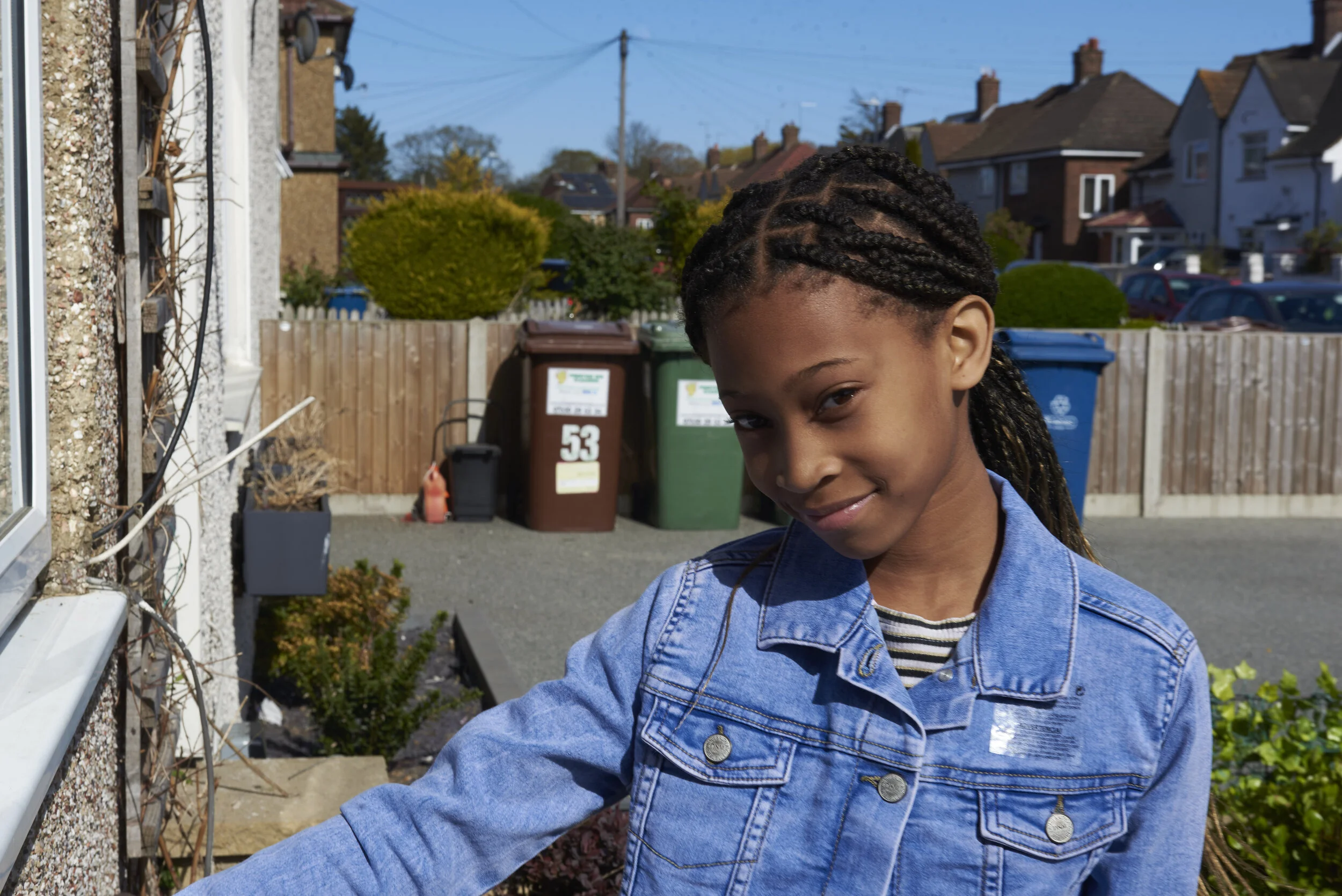

Tawana and her daughters.
The impact of poverty
Poverty does not just mean having less money. It can shape a child’s health, development, education and sense of who they are.
Children growing up in poverty are more likely to go without the basics that support healthy development — nutritious food, a warm and secure home, space to learn, opportunities to play and take part, and the simple experiences that help children feel included.
The effects can begin early. Living on a low income is associated with poorer physical and mental health, lower educational attainment, and impacts on cognitive and behavioural development. Children can also experience shame, isolation and anxiety simply because their family cannot afford the things their friends take for granted.
For some children, poverty means arriving at school hungry or tired. For others, it means missing trips, birthdays and activities, living in insecure or overcrowded housing, or watching parents repeatedly choose between food, heating and other essentials.
These are not small disadvantages. They can shape childhood itself — and the effects can follow a child into adulthood.
Feed London cannot solve poverty on its own. But it can remove one immediate pressure: making sure families have good food, choice and dignity at a point when household budgets are stretched to breaking point.
How does poverty affect children?
Have poor physical health
Experience mental health problems
Have a low sense of well-being
Underachieve at school
Have employment difficulties in adult life
Experience social deprivation
Feel unsafe
Experience stigma and bullying at school.
What causes poverty?
Unemployment and low-paid jobs
Illness
Low levels of skills or education
An ineffective benefit system
High costs
Discrimination
Weak relationships
Poverty itself
Low Pay
Low pay itself does not always indicate poverty – other factors, such as in-work benefits, income of a partner or other family members, family size and housing costs, which are particularly pertinent in London.
Wages have failed to keep pace with London soaring living costs.
574,000 people are paid below the London Living Wage (currently volnetray London living waghe is £14.80 ph)
People who are BAME are more likely to be ON LOWER WAGES, especially people from Bangladeshi or Pakistani origin, and women are more likely to be low paid than men.
64% of women with children are employed in London, compared to 77% across the UK.
In addition, living in poverty in London is impacted by general cost of living – travel costs are amongst the highest in the world along with food, clothing and entertainment.
_
Abuse, trauma, neglect or chaotic lives
The use of drugs and alcohol can deepen and prolong poverty as can childhood abuse which can impact on mental health in adult life and lead to unemployment.
_
Prison
Prisoners are likely to suffer – having a criminal record makes it very difficult to obtain work.
_
Lack of affordable childcare
While London childcare remains the most expensive in Britain—costing parents up to 40% more than the national average—the rollout of government-funded hours means out-of-pocket fees for under-fives are now falling rather than rising the fastest.